Rotary’s Fight Against Polio: A Global Mission That’s Closer Than Ever to Victory
By Rtn. Michael Agaba
For millions of children around the world, the threat of polio has become a distant memory. Yet, behind this remarkable achievement lies a very ambitious public health campaigns in history – a campaign in which Rotary International has played a leading role for nearly four decades.
Polio, or poliomyelitis, is a highly infectious viral disease that primarily affects children under five years of age. While many infected people experience no symptoms, the virus can attack the nervous system, causing permanent paralysis and, in some cases, death. Since the polio virus destroys the nerve terminals within the spinal cord which leads to permanent nerve damage which eventually makes one to have paralysis of the limbs, there’s no cure for polio. But polio can be prevented through vaccination.
For Rotary, the fight against polio is more than a health initiative. It’s a commitment to protecting children, strengthening communities and ensuring that no child suffers from a preventable disease.
From a bold concept to a global movement
Rotary began supporting polio immunisation efforts in 1979, launching vaccination projects in the Philippines. In 1985, it established PolioPlus, an ambitious programme aimed at protecting children worldwide against polio and other preventable childhood diseases.
Three years later, in 1988, Rotary joined the World Health Organization (WHO), UNICEF and the US Centres for Disease Control and Prevention (CDC) in establishing the Global Polio Eradication Initiative (GPEI). The partnership subsequently expanded to cover the Bill & Melinda Gates Foundation, Gavi, the Vaccine Alliance, and other supporting partners.
At the time, polio paralysed an estimated 350,000 people annually across more than 125 countries. Although the ambition to eradicate the disease was enormous, Rotary and its partners believed that a world free of polio was achievable. That belief has since translated into one of the greatest public health successes of our time.
How far has the world come?
The progress is extraordinary. Since 1988, global polio cases have declined by more than 99.9%. Wild poliovirus remains endemic in only two countries: Afghanistan and Pakistan. Two of the three types of wild poliovirus, types 2 and 3, have been declared eradicated worldwide.
According to the Global Polio Eradication Initiative, vaccination efforts have helped block paralysis in an estimated 20 million people who might otherwise have been affected. Approximately three billion children have received polio immunisation through the global eradication effort.
Rotary’s contribution has been large. By 2026, the organisation had contributed around US$3 billion towards global polio eradication, alongside decades of advocacy, fundraising, and volunteer service. Its members have helped mobilise governments, donors, health professionals and communities around a common goal.
These achievements demonstrate what sustained international cooperation, scientific innovation and community participation can accomplish.
The final mile: Why the fight isn’t over
Despite the remarkable progress, the world hasn’t yet eradicated polio. The final stage of the campaign has proved particularly difficult because the virus continues to circulate in communities affected by insecurity, weak health systems, limited access to healthcare and vaccine hesitancy.
In Afghanistan and Pakistan, reaching every child remains a major obstacle. Cross-border movement also makes it difficult for either country to eliminate the virus in isolation.
Another concern is circulating variant poliovirus, which can emerge when weakened virus contained in oral polio vaccines circulates for prolonged periods in populations with low immunity. These outbreaks underline the importance of achieving high vaccination coverage and maintaining strong surveillance systems.
The lesson is clear: progress in one country can’t guarantee safety for another. As lengthy as polio exists anywhere, children everywhere remain at risk.
The Global Polio Eradication Initiative has hence extended its strategic timelines, targeting the certification of wild poliovirus eradication by the end of 2027 and the elimination of circulating type 2 variant poliovirus by the end of 2029. Achieving these goals will require renewed commitment, adequate financing and continued cooperation.
For Uganda and its neighbours, the priority remains ensuring that every eligible child receives the recommended doses, strengthening routine immunisation and responding rapidly to any suspected case. Rotary clubs are helping bridge the gap between national health programmes and the communities they serve by promoting accurate information, mobilising local leaders and encouraging parents to vaccinate their children.
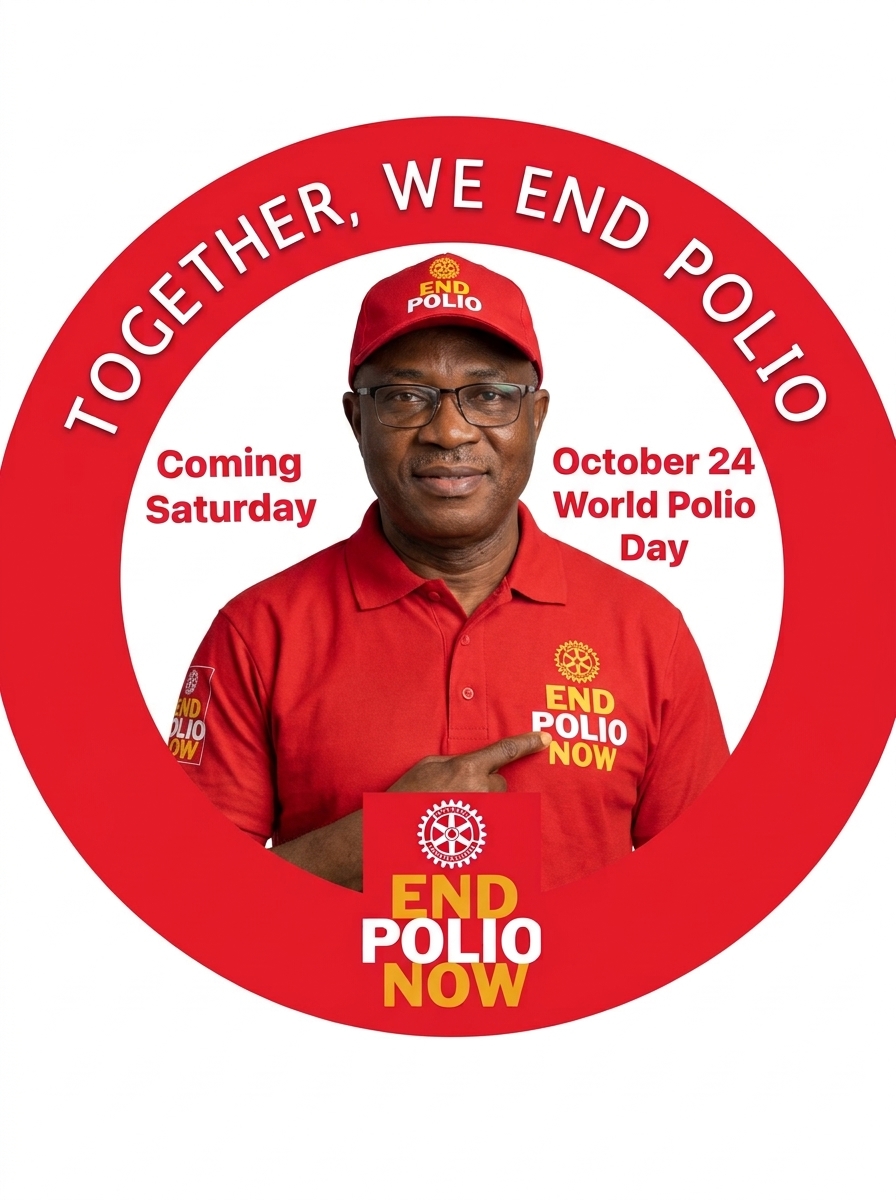
Rotary also continues to utilize World Polio Day, observed every year on 24 October, to remind the world that the mission remains unfinished. It’s an opportunity to celebrate achievements, honour frontline health workers and renew public commitment to a polio-free future. For Rotary, the promise remains simple: End Polio Now. And until polio is eradicated everywhere, that promise must press on to inspire action everywhere.
tag:
Share:

hina@gophtech.com